
Oncore Pilates Instructors are registered with Pilates Aotearoa – the industry body for Pilates instructors that recognises and maintains the professional standards for Pilates instructors in New Zealand.
Meet the Instructors
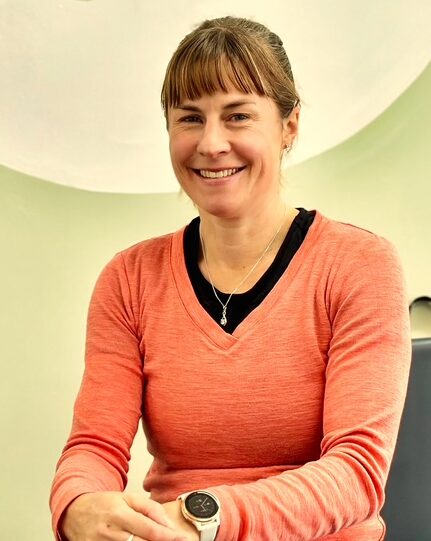
Hi, I’m Michelle.
I’ve spent the past 20 years working in the fitness industry, supported by formal qualifications in Exercise Science, Nutrition, and Pilates. For eight of those years, I taught Exercise Prescription at Massey University and directed the student Exercise Teaching Clinic, working with a wide range of clients — from general populations and athletes to individuals managing chronic health conditions such as obesity, stroke, heart disease, multiple sclerosis, and Parkinson’s disease.
My Pilates Journey
Despite maintaining a high level of fitness through both recreational training and my work as an Exercise Physiologist, I began experiencing significant alignment‑related pain in my early twenties. It affected my daily life and limited the activities I valued. Discovering Pilates was a turning point. Within a month of attending a small studio, I was pain‑free and moving without limitation.
Pilates revealed an essential truth: effective exercise isn’t defined by intensity or discomfort, but by precision, breath, and quality of movement. These principles are at the heart of the profound impact Pilates can have on wellbeing.
In 2015, I completed my Polestar Pilates Rehabilitation Certification and went on to teach in several studios before opening Oncore Pilates in Waikanae in 2021. My goal is to help you use movement as medicine — and enjoy the process.
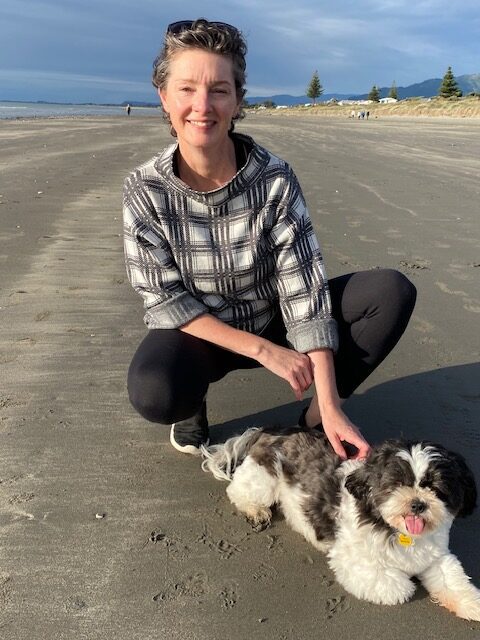
Meet Rach
Rach joined Oncore Pilates in 2024 after completing her Reformer Pilates instructor training in Wellington. She was introduced to Pilates as a form of exercise to rehabilitate a back injury and has been a devotee ever since.
“I love the way Pilates allows us to work on moving our bodies the way they are meant to move, using subtle strength and resistance, combined with balance and coordination with a few laughs (and maybe some wobbles) along the way.”
What is Pilates?
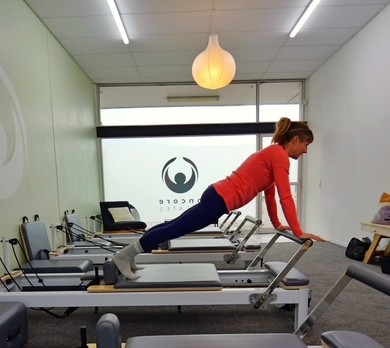
Pilates is a type of mind-body exercise that uses mat exercises as well as a variety of equipment that Joseph Pilates originally designed. Joseph Pilates believed that mental and physical health were interrelated so created a system of exercises intended to strengthen the human mind and body.
A mind-body exercise allows you to focus on the mental element of the physical movement that you are performing. This type of exercise allows you to increase the quality of movement, rather than the quantity of movement so often you may only perform 4 to 6 repetitions of one exercise. To achieve this quality, instructors deliver a lot of verbal “cues”, such as the quality and timing of breathing, proper body alignment and visualisations of how the movement should look or feel.
Pilates teaches you good posture, body awareness, and efficient movements. It brings with it a whole host of benefits including improved breathing, core strength, flexibility, coordination and agility. It can also help alleviate back, muscle and joint pain. Regardless of your condition or age, Pilates will benefit you.
What to expect?
It is best to turn up at least 5-10 minutes before the session/class is scheduled to ensure you are ready to go when the class begins. The reformers are adjustable to suit all body sizes and you will be shown how to do this in your first class.
The instructor will cue you through the entire workout. The language used may initially be different to what you are used to, however with time and greater body awareness, you can explore how these cues can improve the way you move and emphasise different muscles or joint movements. Instructions on the correct breathing patterns is also cued. Initially many people find this difficult however with practice it does improve and becomes more intuitive.
You should leave the class feeling like you have done a full body workout and feel taller, have better posture, and reduced any joint or muscle stiffness. You shouldn’t feel any pain or significant discomfort after a class. If you do unfortunately experience this, you should discuss this with the instructor as modifications can be made to the exercises to better suit your body.
What should I wear?
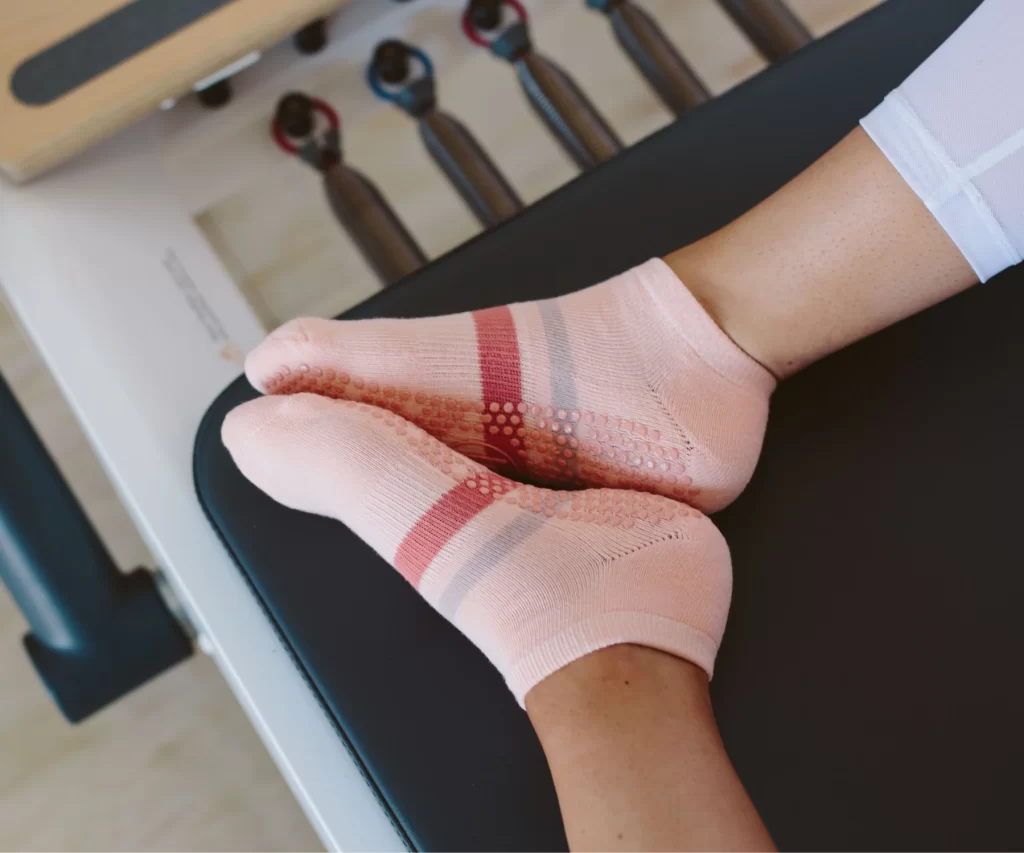
Wear lightweight clothing that is fitting, yet comfortable and stretchy. It’s recommended to wear high waisted pants for best comfort during workouts. Shoes are not worn and grip socks are strongly recommended as ordinary socks can be slippery.
Move Active Grip socks can be purchased in the studio.
Avoid any clothing with metal or plastic bits (eg zips and buttons) that may be uncomfortable but can also damage the equipment. Loose clothing and jewelry may get caught in the springs or straps.
Accessories (optional)
Workout Gloves: can improve grip for exercises when you need to grip the footbar and straps.
Water Bottle: Bring a personal water bottle to manage your fluid intake.
Towel: If you sweat excessively, it is a good idea to bring a towel to keep your carriage dry. It can also be used as a head rest for greater comfort.
Address
Shop 4, 42 Main Rd
Waikanae
Kapiti Coast
P: 021 1161 075
E: info@oncorepilates.nz